
Sometimes, there’s no telling what you’ll find when you crack open an egg. It’s everyone’s general
hope that nothing unusual will come out of it, but one thing that’s often ignored when inspecting
the contents of that freshly cracked egg is the color of the yolk.
Sure, it’s supposed to be yellowish, but are we paying enough attention to just how yellow our
egg yolks are? Findings indicate this detail may reveal more than you think.
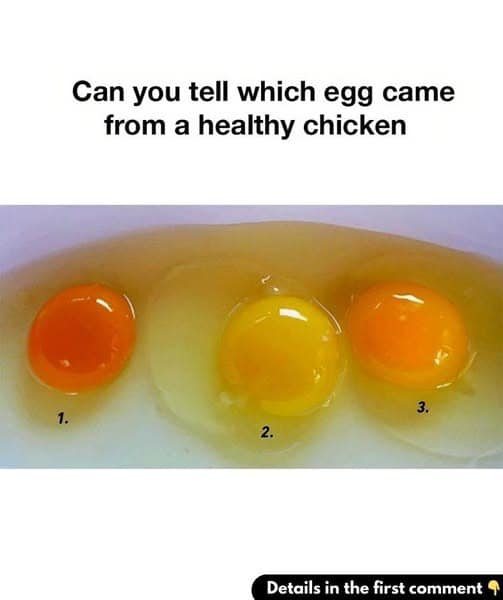
The color of an egg’s yolk will often vary based on where it came from. This isn’t a coincidence:
An egg yolk’s color is a direct consequence of the nutrients that the hen was fed, and as such,
will dictate just what it is you’re consuming too.
Pastured eggs – Type 1
The darker your yolk is, the more nutrients it contains. This is generally due to the healthier,
more varied diet that free-range hens are offered, containing not only corn and grain but also
the occasional bug and vegetable. Pastured eggs are the most nutritious of the three types
A chicken diet of wheat and barley gives caged eggs its lighter color. It’s the least nutritious
of the three types.
Most eggs that are found in supermarkets come from factory farms, which tend to only feed their
hens grain, heavily limiting their diet – and ours in turn. While not exactly harmful per se,
these lighter yellow yolks are much less effective at delivering the nutrients you’re expecting
to ingest.
Free range eggs – Type 3
Free range eggs are more nutritious than caged eggs. It comes from chickens with a diet of mostly
grains and some insects. These are less nutritious than pastured eggs.
