
Slow cookers are kitchen heroes—but not every ingredient plays nice with low, moist heat for hours. Some foods turn mushy, others lose flavor, and a few can even become unsafe. Here are 11 ingredients experts recommend avoiding in your Crock-Pot—plus smart swaps to keep your meals delicious and safe.
🚫 1. Dairy (Milk, Cream, Sour Cream, Cheese)
Why: Prolonged heat causes dairy to curdle, separate, or become grainy.
Fix: Stir in during the last 15–30 minutes of cooking—or use evaporated milk or coconut milk for full-time creaminess.
🚫 2. Rice (Especially White or Brown)
Why: Absorbs too much liquid and turns mushy or dry, depending on broth levels. Cooking time doesn’t align with most slow cooker recipes.
Fix: Cook rice separately and add at serving—or use instant rice in the last 30 minutes on HIGH.
🚫 3. Pasta
Why: Turns gummy, swollen, or disintegrates after hours of simmering.
Fix: Cook al dente separately; stir into sauce just before serving.
🚫 4. Boneless, Skinless Chicken Breasts (on HIGH or >4 hours)
Why: Lean meat dries out and shreds into stringy bits with long cooking.
Fix: Use chicken thighs (more fat = stays juicy) or cook breasts on LOW for 3–4 hours max.
🚫 5. Delicate Vegetables (Spinach, Peas, Zucchini, Asparagus)
Why: Turn soggy, discolored, or vanish into the sauce.
Fix: Add in the last 15–30 minutes of cooking.
🚫 6. Raw Ground Meat (Added Directly)
Why: Clumps together, steams instead of browns, and can leave a gray, greasy texture.
Fix: Brown first to develop flavor, drain excess fat, then add to slow cooker.
🚫 7. Seafood (Fish, Shrimp, Scallops)
Why: Overcooks in 15–30 minutes—becomes rubbery or falls apart.
Fix: Add in the last 15–20 minutes on LOW—or skip the slow cooker entirely for seafood.
🚫 8. Alcohol (Large Amounts of Wine or Spirits)
Why: Contrary to myth, alcohol doesn’t fully cook off in a slow cooker due to low temps and covered environment—can leave harsh, raw flavors.
Fix: Use small amounts (≤¼ cup), or deglaze in a skillet first, then transfer.
🚫 9. Fresh Herbs (Basil, Cilantro, Parsley, Dill)
Why: Lose aroma and turn bitter or muddy after hours of cooking.
Fix: Use dried herbs early; add fresh herbs as a garnish at the end.
🚫 10. Too Much Liquid
Why: Slow cookers trap steam—no evaporation means soupy results. Most recipes need ½ to ⅔ less liquid than stovetop versions.
Fix: Follow slow cooker-specific recipes; thicken with cornstarch slurry at the end if needed.
🚫 11. Frozen Meat (Large Cuts)
Why: Takes too long to reach safe temperatures, lingering in the “danger zone” (40°F–140°F) where bacteria grow.
Fix: Thaw meat first—or cut into smaller pieces if adding frozen.
💡 Bonus Tip: Don’t Overfill!
Fill ½ to ⅔ full max. Too full = uneven cooking; too empty = food burns.
❤️ Final Thought
Your slow cooker is powerful—but it’s not magic.
“The best slow cooker meals respect what each ingredient needs.”
By avoiding these common pitfalls, you’ll transform good recipes into great, foolproof feasts every time. 🍲✨
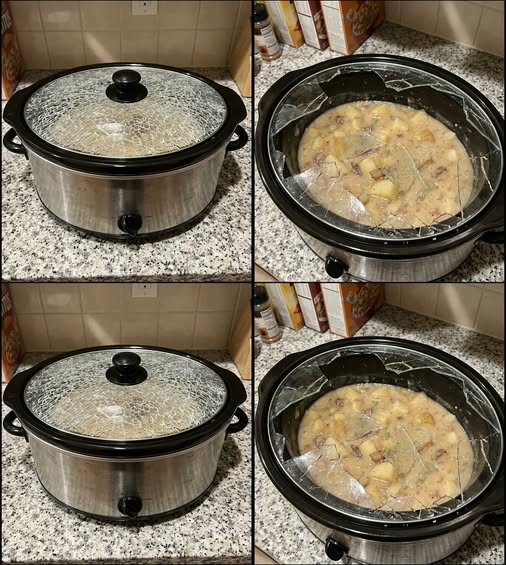
11 Foods You Should Never Put in a Slow Cooker
Read more on the next page
