
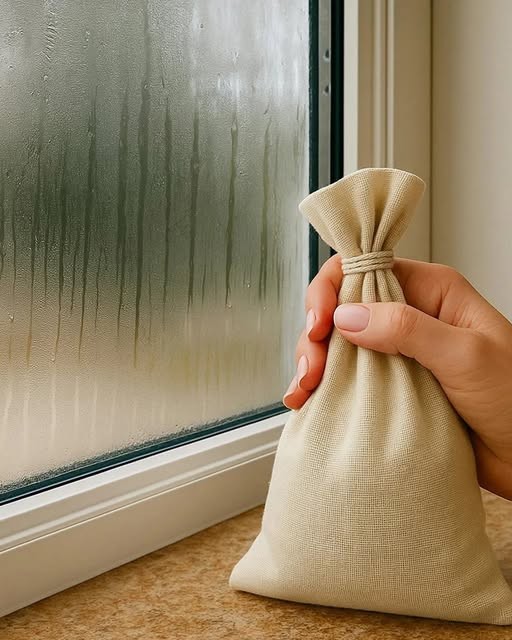
Every winter, it’s the same story: upon waking, the windows are covered in droplets, the windowsill is damp, and sometimes even the floor isn’t spared. This condensation can quickly become annoying, especially when you feel like you’re doing everything right. However, this very common phenomenon isn’t inevitable. With a few simple steps and natural remedies, it’s entirely possible to limit, or even permanently eliminate, this unwanted humidity and reduce condensation on windows.
Why does condensation appear on windows?
Condensation forms when warm, humid indoor air comes into contact with a cold surface, such as a window in winter. As a result, the moisture in the air turns into water. With the heating on, low outdoor temperatures, and daily activities like cooking or showering, everything contributes to increasing the humidity level in the house without us even realizing it.
Simple and natural ways to reduce condensation every day
Ventilate, even when it’s cold
It’s often the last thing we want to do in the middle of winter, and yet: ventilation is essential. Opening windows for 5 to 10 minutes a day allows you to renew the air and remove excess humidity, without permanently cooling the room. Ideally, ventilate in the morning, and then again after activities that produce a lot of steam, such as showering or preparing meals. Be careful with laundry drying indoors
Drying laundry in a closed room is one of the main causes of condensation. Each wash releases a large amount of moisture into the air. If possible, choose a well-ventilated room, open a window, or use a bathroom equipped with an exhaust fan. Otherwise, limit this practice to times when you can ventilate effectively.
The natural dehumidifier
No need to invest in an expensive device to absorb humidity. Natural and economical solutions exist. Coarse salt is particularly effective: place some in a bowl or saucer near windows or in damp rooms. It will gradually absorb the excess moisture in the air. Rice works in the same way and can be a simple alternative.
Marseille soap, the little-known trick
Here’s a simple yet effective old wives’ tale. Lightly dampen a bar of Marseille soap, then rub it directly on the window. Wipe it off with a soft cloth. The soap creates a nearly invisible protective film that limits condensation and helps water slide off rather than pool.
Plants, allies against humidity
Some houseplants have the natural ability to absorb ambient humidity. Pothos, sansevieria, and orchids are particularly well-suited. In addition to regulating humidity levels, they add a decorative touch and help purify the air in your home. Placed near windows or in the most humid rooms, they work gently every day. Good daily habits
Regularly wiping windows when they are damp prevents water from pooling and damaging the seals or sills. Also, remember to check the condition of window seals: when they are worn, cold air penetrates more easily and increases condensation. Finally, avoid overheating rooms, as excessively high temperatures increase the temperature difference with the outside.
See more
Windows
Doors and windows
A healthier home, simply
Condensation is not just a visual nuisance. By limiting it, you protect your windows and walls and improve the overall comfort of your home. These natural solutions have the advantage of being simple, free or inexpensive, and easy to integrate into your daily routine.
With a few well-chosen steps and a little regularity, your windows can stay clean, dry and pleasant… even in the heart of winter.
