
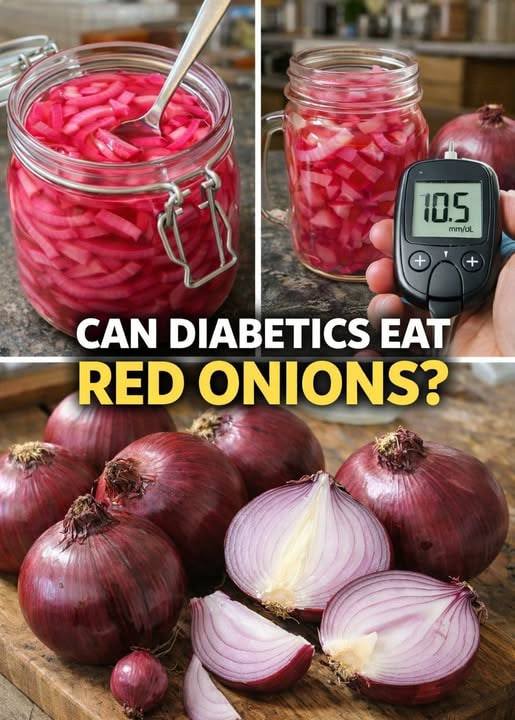
This Simple Red Onion Pickle Could Transform Your Everyday Wellness
Pickled red onions might seem like nothing more than a colorful garnish—but lately, they’ve been getting a lot more attention.
From tacos to sandwiches to grain bowls, this simple homemade staple is showing up everywhere. And it’s not just about the pop of color or tangy crunch. More and more people are turning to pickled red onions as an easy way to elevate everyday meals while adding a small nutritional boost.
So what’s behind the hype?
It comes down to one simple idea: they make healthy eating easier—and more enjoyable.
A Simple Habit That Goes a Long Way
One of the biggest reasons pickled red onions are so popular right now is their convenience.
They take just minutes to prepare, last for days (even weeks) in the fridge, and can instantly transform even the simplest dish. That quick balance of sharp, tangy, and slightly sweet flavor can make meals feel more exciting—without adding heavy sauces or extra calories.
But beyond taste, there’s growing curiosity about whether this small addition might also support things like digestion, balanced meals, and steady energy levels throughout the day.
Why Red Onions Deserve More Attention
Before they’re even pickled, red onions already bring some solid nutritional value to the table.
They’re rich in antioxidants—especially compounds like quercetin, which has been studied for its potential anti-inflammatory properties. They also contain small amounts of vitamin C, vitamin B6, and folate, all of which support overall health and metabolism.
The good news? Pickling doesn’t strip all of that away.
While the flavor and texture change, many of these natural compounds remain. That’s why quick-pickled onions are often seen as a simple way to make a healthy ingredient more appealing—and easier to include in your daily meals.
The Vinegar Factor: More Than Just Flavor
Part of what makes pickled onions interesting isn’t just the onions—it’s the vinegar.
Some research has explored how vinegar may help support more stable energy levels after meals, particularly when eating carbohydrate-heavy foods. That’s why you’ll often see pickled onions mentioned in conversations about blood sugar awareness.
Now, it’s important to keep expectations realistic.
Pickled onions aren’t a medical solution or a miracle food. But adding vinegar-based foods to meals may help create a more balanced plate—especially if it encourages you to swap out heavier, sugary toppings.
Think of it as a small, helpful habit—not a cure-all.
What About Gut Health?
This is where things can get a bit confusing.
You’ve probably seen claims online that pickled onions are packed with probiotics—but that’s not always true.
Quick pickled onions (made with vinegar, like most homemade recipes) are not the same as fermented foods. The probiotic benefits people talk about typically come from naturally fermented foods, which develop live beneficial bacteria over time.
Vinegar pickles, on the other hand, are more about flavor and preservation.
That said, red onions still contain prebiotic fiber, which can support gut health in its own way. So while you may not be getting probiotics, you’re still adding something beneficial to your plate.
Easy to Make, Even Easier to Love
One of the best things about pickled red onions is just how simple they are to make.
All you need is:
Thinly sliced red onions
Vinegar
Water
Salt
Optional extras like garlic, peppercorns, or chili flakes can add even more flavor.
After just 30 minutes, they’re ready to eat—though they taste even better after a few hours in the fridge, when that vibrant pink color really develops.
The Secret to Making Meals Better
Once you have a jar in your fridge, you’ll start finding excuses to use them everywhere.
They work beautifully on:
Tacos and burgers
Salads and grain bowls
Eggs and breakfast wraps
Roasted vegetables
Simple sandwiches
That bright, tangy bite can cut through richness and bring balance to your meals—often reducing the need for heavy dressings or sauces.
Final Thoughts
Pickled red onions aren’t a magic solution—but they don’t need to be.
Sometimes, the smallest habits make the biggest difference. And adding something quick, flavorful, and versatile to your meals can make healthy eating feel a lot less like a chore—and a lot more like something you actually enjoy.
And honestly, that’s where real change starts.
