
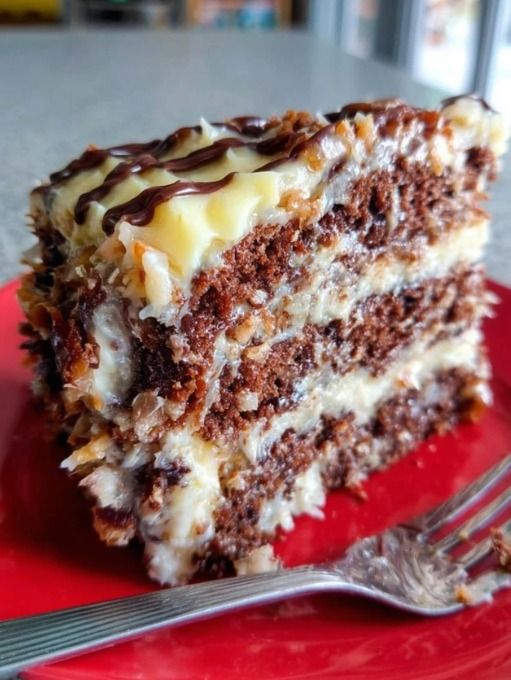
ndulge your senses with the irresistible allure of Chocolate Coconut Cake. This decadent dessert is the perfect marriage of rich, velvety chocolate and the tropical sweetness of coconut, creating a symphony of flavors that is sure to delight dessert enthusiasts and chocolate lovers alike. As you embark on this culinary journey, you’ll discover the joy of baking with coconut, a versatile ingredient that lends a unique texture and flavor to this moist chocolate cake. Whether you’re hosting a festive gathering or simply indulging in a sweet coconut treat, this cake promises to be the centerpiece of any occasion. Both the aroma and taste of this cake will take you to a tropical paradise, making it an unforgettable dessert experience. The blend of chocolate and coconut has long been celebrated in various cultures, bringing together the best of both worlds in a single, sumptuous bite.
Ingredients
To create this sumptuous Chocolate Coconut Cake, gather the following ingredients: You can learn more about this topic. Using fresh and high-quality ingredients will significantly enhance the taste and texture of your cake. The right balance of dry and wet ingredients is essential to achieving the perfect consistency and flavor. Pay close attention to the quality of your cocoa powder and coconut, as they are the stars of this recipe.
Dry Ingredients
1 1/2 cups all-purpose flour
1/2 cup coconut flour
1 cup unsweetened cocoa powder
1 1/2 teaspoons baking powder
1/2 teaspoon baking soda
1/2 teaspoon salt
Optional: 1 teaspoon cinnamon for a warm, spicy undertone
Optional: 1/4 teaspoon nutmeg to enhance the warmth of the spices
Wet Ingredients
1 cup coconut milk
1/2 cup vegetable oil
1 cup granulated sugar
1/2 cup brown sugar
3 large eggs (or equivalent egg substitute for vegan variation)
1 teaspoon vanilla extract
Optional: 1 tablespoon coconut extract for an extra coconut flavor boost
Optional: Zest of one lime for a subtle citrusy note
Toppings
1 cup shredded sweetened coconut
1/2 cup chocolate chips
Homemade coconut cream or store-bought coconut frosting
Optional: A sprinkle of sea salt for a contrast that enhances the chocolate flavors
Optional: Toasted coconut flakes for added texture and a hint of crunch
Note: For a vegan chocolate coconut cake, replace eggs with flax eggs and ensure chocolate chips are vegan-friendly. Check out our related guide for more tips. Ensure that your coconut milk and other substitutions are also certified vegan to maintain dietary integrity. Always check labels for any hidden non-vegan ingredients, especially in processed items like chocolate and coconut milk.
Next Page<!–nextpage–>
Steps / Instructions
Preheat your oven to 350°F (175°C). Grease and flour two 9-inch round cake pans, ensuring they are ready for the batter. This step is crucial to prevent sticking and to allow the cakes to rise evenly. For added insurance, line the bottom of the pans with parchment paper.
In a large bowl, sift together the all-purpose flour, coconut flour, cocoa powder, baking powder, baking soda, and salt. This step ensures a light and airy cake texture, and the sifting helps incorporate air into the mixture, contributing to a fluffier cake. The use of coconut flour adds a delicate nuttiness and helps absorb moisture, keeping the cake moist.
In a separate bowl, combine the coconut milk, vegetable oil, granulated and brown sugar, eggs, and vanilla extract. Whisk together until the mixture is smooth and well-blended. Ensure that the sugars dissolve completely for an even sweetness throughout the cake. The mixture should be uniform with no visible streaks of oil or sugar granules.
Gradually add the wet ingredients to the dry ingredients, mixing gently with a spatula or a hand mixer, until you achieve a smooth and lump-free batter. Avoid overmixing to prevent a dense cake. The batter should have a light, almost ribbon-like consistency when lifted with a spoon. If too thick, a splash of coconut milk can help achieve the desired consistency.
Divide the batter evenly between the prepared cake pans. Smooth the tops with a spatula and sprinkle chocolate chips over the batter, pressing them lightly to adhere. This ensures an even distribution of chocolate goodness in every bite. It’s important to press them slightly so they don’t sink during baking.
Bake in the preheated oven for 25-30 minutes, or until a toothpick inserted into the center of the cakes comes out clean. The cake should spring back when lightly touched. This indicates that the cakes are perfectly baked and ready to cool. The edges should begin to pull away slightly from the sides of the pan.
Remove the cakes from the oven and allow them to cool in the pans for 10 minutes. Then, invert them onto wire racks to cool completely before frosting. Cooling the cakes completely prevents the frosting from melting and ensures a beautiful finish. This step also allows the cake to firm up, making frosting easier.
For the frosting, whip the homemade coconut cream until light and fluffy. Spread a generous layer between the cake layers and cover the top and sides of the cake. Sprinkle shredded coconut over the top for a beautiful finish. The frosting can be customized with a hint of vanilla or almond extract to complement the coconut flavors. For a visual treat, consider piping decorative swirls along the edges.
Tips & Tricks
Storage: Store the cake in an airtight container in the refrigerator for up to 5 days to maintain its moistness. Ensure the container is sealed properly to prevent the cake from drying out. If possible, place a piece of parchment paper between layers to avoid sticking.
Make-Ahead: The cake layers can be prepared a day in advance and wrapped tightly in plastic wrap to be frosted later. This allows the flavors to meld, resulting in an even richer taste. Let the layers come to room temperature before applying frosting for the best results.
Avoid Overmixing: To ensure a fluffy cake, mix the batter just until combined. Overmixing can result in a dense texture. Use a gentle hand when folding the ingredients together. This is especially important when incorporating the wet and dry ingredients.
Use Quality Ingredients: Opt for high-quality cocoa powder and fresh coconut for the best flavor. Premium chocolate chips can also enhance the overall taste of the cake. When possible, use organic ingredients to enhance the natural flavors.
Baking with Coconut: Coconut flour absorbs more liquid than regular flour. Balance it with additional wet ingredients to keep the cake moist. Adjusting the wet ingredients can help you reach the desired consistency. Remember, a little coconut flour goes a long way.
Temperature Tips: Ensure all ingredients are at room temperature before mixing to achieve a smooth batter. This helps in evenly incorporating the ingredients. Cold ingredients can cause the batter to seize and become lumpy.
Check Cake’s Doneness: Besides using a toothpick, gently press the cake’s surface; it should spring back lightly. Overbaking will dry out the cake.
Next Page<!–nextpage–>
Variations
Gluten-Free Option: Substitute all-purpose flour with a gluten-free flour blend for a gluten-free version of this cake. Ensure the blend includes xanthan gum for structure. This maintains the cake’s texture without compromising on taste.
Flavor Variations: Add a tablespoon of instant coffee to the batter for a mocha twist, or incorporate orange zest for a citrusy note. Adding a touch of cinnamon or nutmeg can also provide a warm, spiced flavor. For a holiday twist, consider adding a hint of peppermint extract.
Vegan Version: Replace eggs with flaxseed meal mixed with water (1 tablespoon flaxseed meal + 3 tablespoons water per egg) and use dairy-free chocolate chips. Ensure all other ingredients are vegan-friendly for a complete vegan cake. The use of plant-based milk can add additional flavor notes, such as almond or oat milk.
Nutty Addition: For added texture, mix in chopped walnuts or pecans into the batter before baking. This gives the cake a delightful crunch and complements the soft, moist crumb.
Spicy Twist: For a unique taste, consider adding a pinch of cayenne pepper to the batter for a subtle heat that enhances the chocolate.
Serving Suggestions
Pair the cake with a scoop of vanilla or coconut ice cream for an indulgent dessert experience. The cold creaminess of the ice cream complements the rich, chocolatey cake. For a lighter option, consider serving with a dollop of whipped coconut cream.
Serve with a hot cup of coffee or a chilled glass of almond milk for a delightful contrast in temperatures. The coffee can enhance the chocolate notes, while almond milk provides a refreshing accompaniment. Alternatively, a glass of coconut milk can accentuate the tropical flavors.
Garnish with edible flowers or fresh berries for an elegant presentation. These garnishes add a pop of color and a fresh, fruity contrast to the cake’s richness. Strawberries and raspberries work particularly well with the chocolate-coconut flavor.
Consider a drizzle of chocolate or caramel sauce over the top for extra decadence. This not only adds flavor but also creates a visually appealing presentation with a glossy finish.
For a sophisticated touch, serve with a side of macerated tropical fruits like mango and pineapple, which complement the cake beautifully.
FAQ
Can I use canned coconut milk? Yes, canned coconut milk works well for this recipe. Ensure it is well-mixed before measuring. If you’re using light coconut milk, note that it may alter the cake’s richness slightly. Full-fat coconut milk will provide the best texture and flavor for this Chocolate Coconut Cake.
How do I prevent the cake from sticking to the pan? Grease the pans thoroughly and line the bottoms with parchment paper for easy removal. This step is essential for a clean, smooth cake release. Allowing the cakes to cool slightly before inverting them also helps prevent sticking.
Can I freeze the cake? Yes, the cake layers can be frozen for up to 2 months. Wrap tightly in plastic wrap and foil before freezing. Thaw them in the refrigerator before frosting and serving. For best results, frost the cake after it has thawed to maintain the texture and flavor.
What if I don’t have coconut flour? You can substitute additional all-purpose flour, but note that the cake will lack the unique texture coconut flour provides. If using only all-purpose flour, consider reducing the liquid slightly to maintain consistency.
Can I add more coconut flavor? Certainly! To amplify the coconut flavor, consider using coconut oil in place of vegetable oil or adding coconut extract as mentioned in the wet ingredients list.
Conclusion
This Chocolate Coconut Cake is a delightful fusion of flavors that promises to captivate anyone who tastes it. Whether you’re an avid fan of rich chocolate desserts or a newcomer to the coconut chocolate pairing, this cake offers a delectable experience that is both satisfying and memorable. We invite you to try this recipe, share your results, and spread the joy of sweet coconut treats. Happy baking! Don’t hesitate to experiment with the variations and make this dessert your own. Your culinary creativity is welcome, and sharing your results with friends and family can make for delightful conversations and memories. The blend of chocolate’s depth with coconut’s tropical charm creates a perfect harmony that makes this cake a favorite for many occasions, from birthdays to casual gatherings.
