
🌿 Absinthe: Benefits, Contraindications, and Instructions for Use
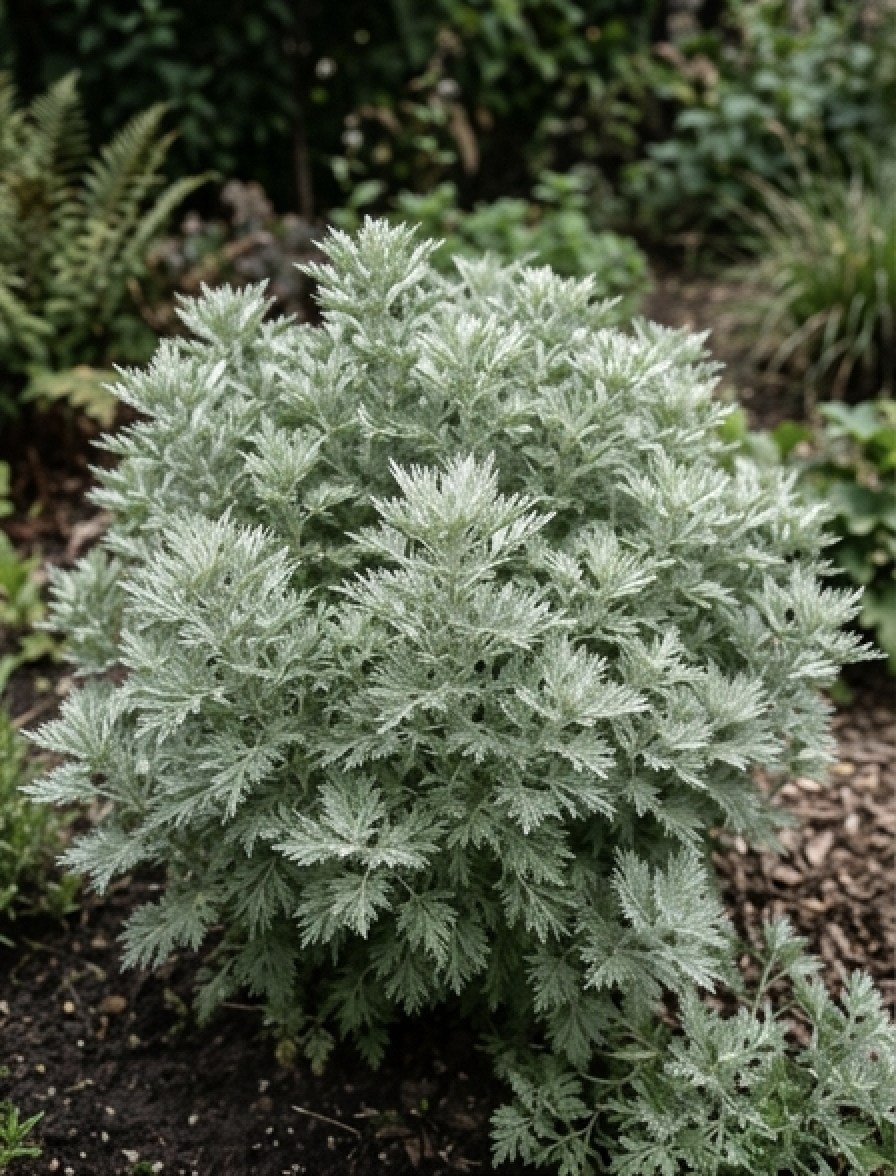
Absinthe is a strong, herbal alcoholic drink traditionally made from wormwood (Artemisia absinthium), anise, and fennel. Often called “the green fairy,” it has a long history in European culture—especially in France and Switzerland—and has been surrounded by both fascination and controversy.
While absinthe is sometimes discussed in terms of potential herbal effects, it’s important to remember: it is primarily an alcoholic beverage, and its risks can outweigh any perceived benefits.
✅ Possible Benefits (With Caution)
Some of the herbs used in absinthe have been traditionally associated with mild effects:
Digestive support: Anise and fennel may help reduce bloating and support digestion
Relaxation effect: Alcohol can produce temporary relaxation
Appetite stimulation: Bitter herbs like wormwood have historically been used to stimulate appetite
⚠️ However, these effects are mild and not a reason to consume absinthe for health purposes.
⚠️ Contraindications and Risks
Absinthe is highly alcoholic (often 45–74% ABV) and contains compounds from wormwood, including thujone. Because of this, it carries several important risks:
1. Alcohol-Related Risks
Addiction and dependency
Liver damage
Impaired judgment and coordination
2. Neurological Effects
In large amounts, thujone may affect the nervous system
Historically linked (often exaggerated) to hallucinations and seizures
3. Medication Interactions
Avoid absinthe if you are taking:
Sedatives or antidepressants
Anti-seizure medications
Medications affecting the liver
4. Who Should Avoid It Completely
Pregnant or breastfeeding women
People with liver disease
Individuals with epilepsy or seizure disorders
Anyone with a history of alcohol misuse
🥄 Instructions for Traditional Use
🥄 Instructions for Traditional Use
Absinthe is not typically consumed straight. The classic preparation method is part of its cultural appeal:
Traditional French Method:
Pour a small measure (30–50 ml) of absinthe into a glass
Place a sugar cube on a slotted absinthe spoon over the glass
Slowly drip cold water over the sugar cube
Watch as the drink turns cloudy (“louche effect”)
Sip slowly and responsibly
💡 Typical ratio: 1 part absinthe to 3–5 parts water
⚖️ Moderation Is Key
Because of its strength, even small amounts can have strong effects. Safe consumption means:
Drinking slowly
Limiting quantity
Never mixing with other strong alcohols
Avoiding use before driving or operating machinery
🌿 Final Thoughts
Absinthe is more about tradition and flavor than health. While it contains herbs with historical uses, its high alcohol content makes it unsuitable as a remedy.
If you choose to enjoy it, do so responsibly and occasionally—not as a regular part of your routine.
