
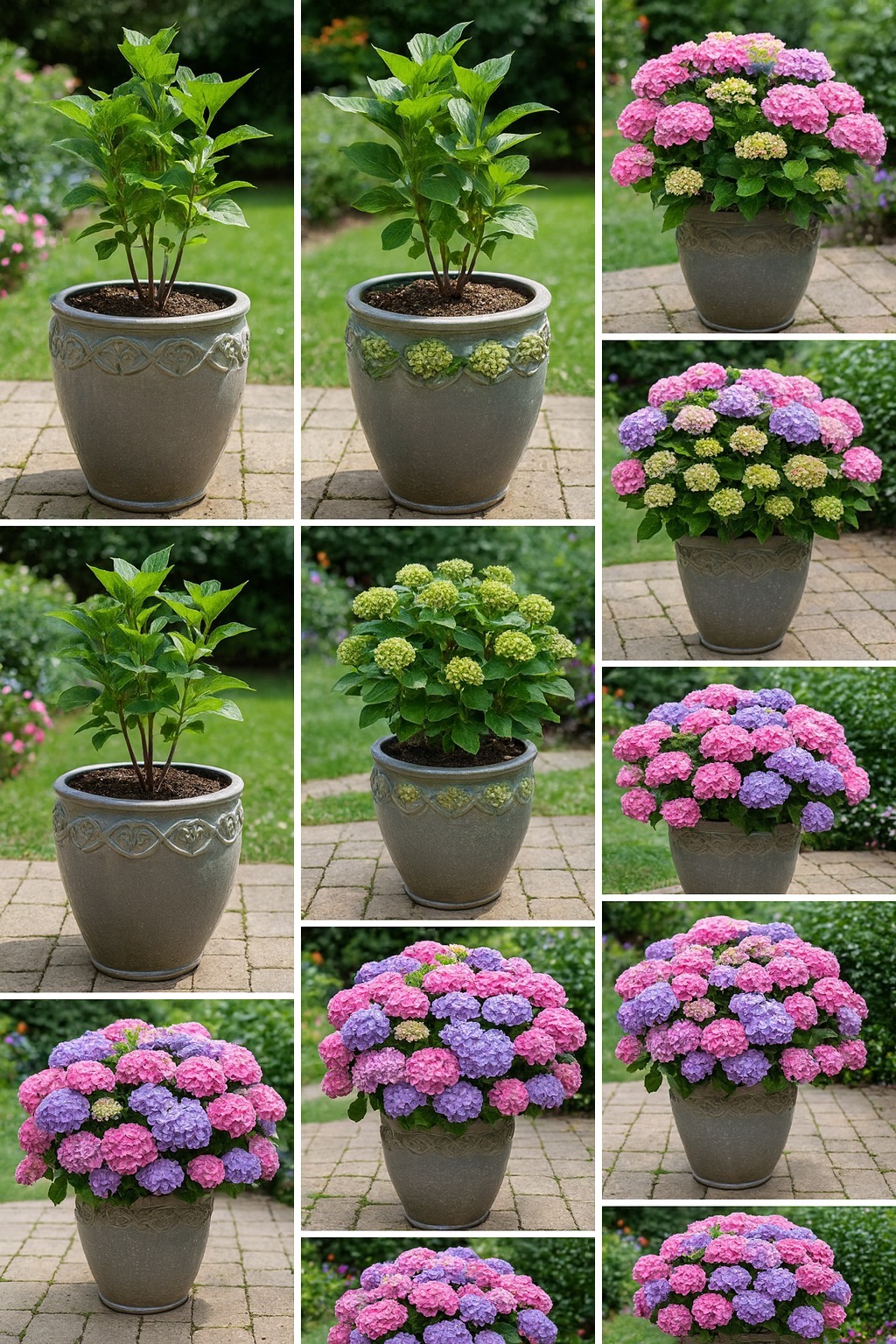
Hydrangeas are beloved for their large, showy blooms and ability to brighten any garden or indoor space with vibrant color. However, many gardeners struggle to keep them thriving. This guide will help you enjoy lush, blooming hydrangeas year after year.
Why Hydrangeas Sometimes Struggle
Watering issues: Both under- and overwatering can stress the plant.
Improper sunlight: Too much direct sun can scorch leaves, while too little reduces flowering.
Soil problems: Hydrangeas prefer rich, well-draining soil that retains moisture.
Nutrient deficiencies: Lack of key nutrients affects leaf and flower development.
Temperature and humidity: Extremes can damage buds and foliage.
Choosing the Right Hydrangea Variety
Bigleaf hydrangea (Hydrangea macrophylla): Large mophead or lacecap flowers; partial shade; acidic to neutral soil.
Panicle hydrangea (Hydrangea paniculata): Cone-shaped clusters; full sun tolerant; cold-hardy.
Smooth hydrangea (Hydrangea arborescens): Hardy and adaptable; partial sun; moist soil.
Oakleaf hydrangea (Hydrangea quercifolia): Lobed leaves and seasonal color; well-drained soil; some shade.
Choose a spot with morning sun and afternoon shade.
Mix compost or aged manure to improve fertility and moisture retention.
Ensure good drainage to prevent root rot.
For potted hydrangeas, use high-quality, well-draining potting soil.
Watering Your Hydrangea
Keep soil consistently moist, but not soggy.
Use mulch to retain moisture and regulate soil temperature.
Avoid wetting leaves to reduce fungal diseases.
During hot spells, water deeply twice a week.
Fertilizing for Vibrant Blooms
Apply balanced, slow-release fertilizer in spring.
For acidic-soil varieties, use sulfur or aluminum sulfate to encourage blue blooms.
Avoid excessive nitrogen; it promotes leaf growth but reduces flowers.
Light and Temperature Needs
Bright, indirect light or dappled shade is ideal.
Protect from frost in colder zones with mulching or covering.Bigleaf & oakleaf: Prune after flowering (old wood).
Panicle & smooth: Prune in late winter/early spring (new wood).
Remove dead or damaged branches to improve airflow.
Avoid heavy pruning that removes too many buds.
Common Issues and How to Fix Them
Yellowing leaves: Overwatering, poor drainage, or nutrient deficiencies.
Wilting: Underwatering or root problems.
No flowers: Check light, pruning timing, and fertilizer.
Powdery mildew/fungal spots: Improve airflow, avoid wet leaves, treat with fungicides.
Tips for Growing Hydrangeas Indoors
Place near a bright window with filtered sunlight.
Keep humidity high with misting or a humidifier.
Water regularly and ensure good drainage.
Use pots with drainage holes; avoid standing water.
Final Thoughts
Hydrangeas are stunning and rewarding plants. With proper water, light, soil, and pruning care, you can avoid common pitfalls. Whether indoors or outdoors, consistent care ensures healthy, vibrant hydrangeas that bloom beautifully season after season.
Older adults often face reduced blood circulation, making even simple habits like wearing socks at home surprisingly beneficial. Beyond keeping feet warm, socks can improve circulation, enhance sleep, protect skin, and support overall well-being.
Wearing socks indoors helps retain warmth, especially as aging slows circulation and thins the skin. Cold feet can worsen conditions like arthritis, diabetes, or swelling. Soft, breathable socks made from natural fibers such as cotton, wool, or bamboo trap gentle heat, allowing blood to flow freely without overheating.
Better circulation not only keeps feet comfortable but also supports heart and vascular health. Consistent warmth encourages blood vessels to stay open, improving oxygen and nutrient delivery throughout the body.
Wearing socks at night can also improve sleep. Warm feet signal the body to relax and prepare for rest by widening blood vessels and slightly lowering core temperature. Studies show that people who wear socks to bed fall asleep faster, sleep longer, and wake up less during the night.
