
Your nails may seem like a cosmetic feature, but they can also reflect aspects of your overall health. Changes in nail color, texture, or shape sometimes point to nutritional deficiencies, infections, or medical conditions. Here are seven nail changes that doctors commonly pay attention to.
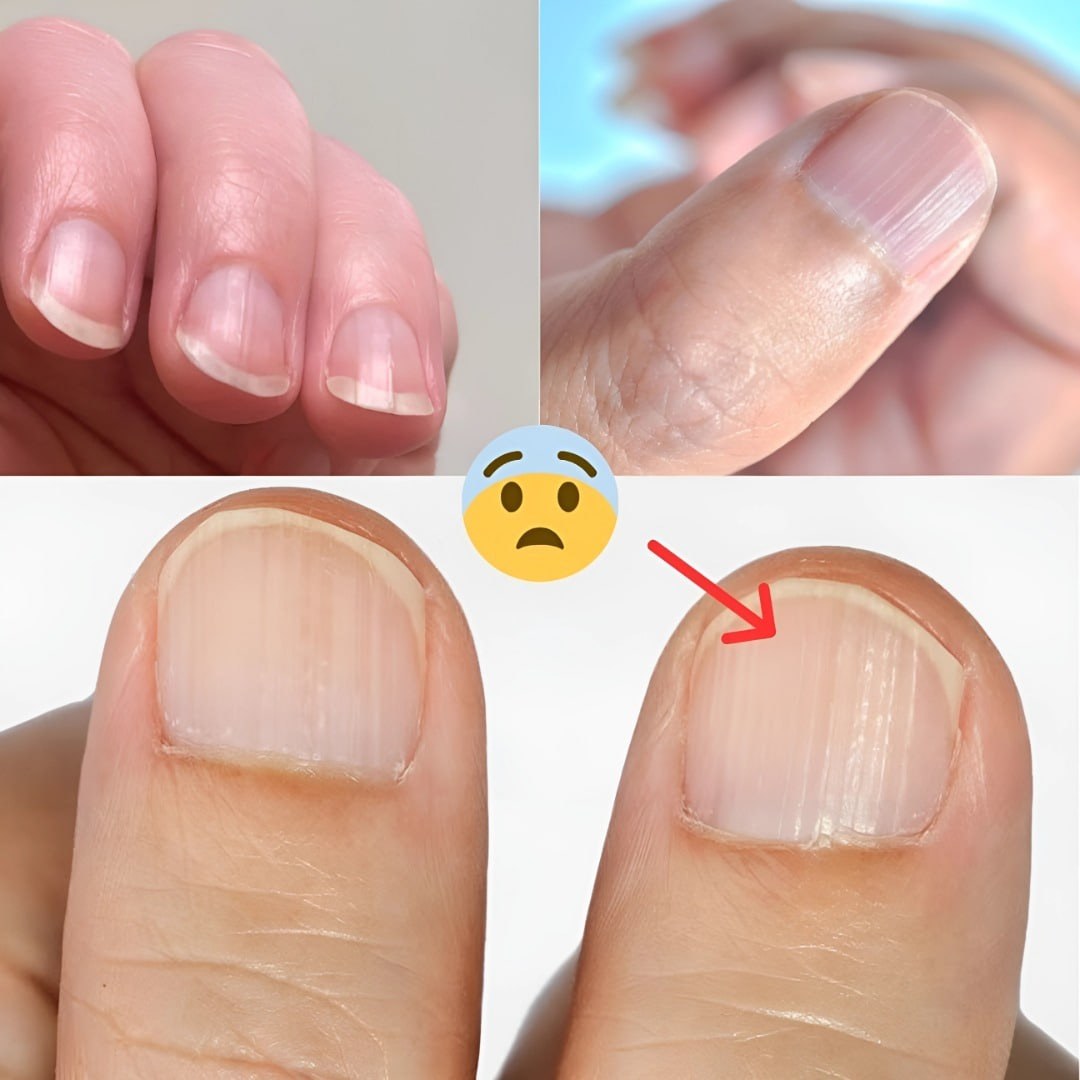
1. Vertical Ridges: Possible Nutritional Deficiencies
What it looks like:
Thin, raised lines running vertically from the base to the tip of the nail.
What it might mean:
Vertical ridges often develop naturally with age. In some cases, however, they may be associated with deficiencies in nutrients such as vitamin B12, iron, or zinc, which are important for healthy nail growth.
What to do:
Eat nutrient-rich foods such as spinach, beans, eggs, nuts, and fortified cereals. If the ridges appear suddenly or are accompanied by fatigue or weakness, consult a healthcare professional.
2. Horizontal Ridges (Beau’s Lines): Stress or Illness
What it looks like:
Indented lines running horizontally across the nail.
What it might mean:
These lines, called Beau’s lines, can appear after severe illness, surgery, high fever, injury, or intense stress. They occur when nail growth temporarily slows or stops.
What to do:
Focus on recovery, stress management, and overall wellness. Persistent or recurring Beau’s lines should be evaluated by a doctor to rule out underlying conditions such as diabetes or autoimmune disorders.
3. Spoon-Shaped Nails: Possible Iron Deficiency Anemia
What it looks like:
Nails that curve inward like small spoons.
What it might mean:
This condition, known as koilonychia, is commonly linked to iron deficiency anemia, where the body lacks enough healthy red blood cells to carry oxygen effectively.
What to do:
Increase iron-rich foods such as lean meat, lentils, beans, and dark leafy greens. Speak with a healthcare provider before starting iron supplements.
4. Yellow Nails: Fungal Infection or Other Health Issues
What it looks like:
A yellow discoloration of the nails, sometimes with thickening or crumbling.
What it might mean:
Yellow nails are most often caused by fungal infections. In some cases, they may also be associated with respiratory conditions, thyroid disorders, or lymphatic problems.
What to do:
Treat suspected fungal infections early with proper medical care. If the discoloration persists or spreads, consult a doctor for further evaluation.
5. Brittle Nails: Dehydration or Thyroid Problems
What it looks like:
Dry, cracked, peeling, or easily broken nails.
What it might mean:
Brittle nails can result from dehydration, excessive handwashing, or exposure to harsh chemicals. They may also be linked to hypothyroidism, a condition in which the thyroid gland is underactive.
What to do:
Stay hydrated, moisturize your nails and cuticles regularly, and wear gloves when using cleaning products. If brittleness continues despite care, ask your doctor about thyroid testing.
6. Clubbing: Possible Low Oxygen Levels
What it looks like:
Enlarged fingertips with nails that curve downward over the fingertips.
What it might mean:
Nail clubbing can be associated with conditions that reduce oxygen levels in the blood, including lung disease, heart disease, liver disorders, and some digestive conditions.
What to do:
Seek medical attention promptly if you notice clubbing, especially if it develops suddenly.
7. Dark Lines Under the Nail: Possible Melanoma
What it looks like:
A dark brown or black streak running vertically beneath the nail.
What it might mean:
Although some nail streaks are harmless, a new or changing dark line may indicate subungual melanoma, a rare but serious form of skin cancer.
What to do:
See a dermatologist immediately if you notice a dark streak that is new, widening, irregular, or changing in appearance.
Other Nail Changes to Watch For
White spots: Often caused by minor nail injury, though occasionally linked to deficiencies.
Bluish nails: May suggest poor circulation or low oxygen levels.
Pitting: Small dents in the nail surface that can occur with psoriasis or inflammatory arthritis.
How to Keep Your Nails Healthy
Eat a balanced diet rich in vitamins, minerals, and protein.
Stay hydrated.
Protect your hands from harsh chemicals and excessive moisture.
Avoid biting or picking at your nails.
Pay attention to unusual nail changes and discuss them with a healthcare professional.
