
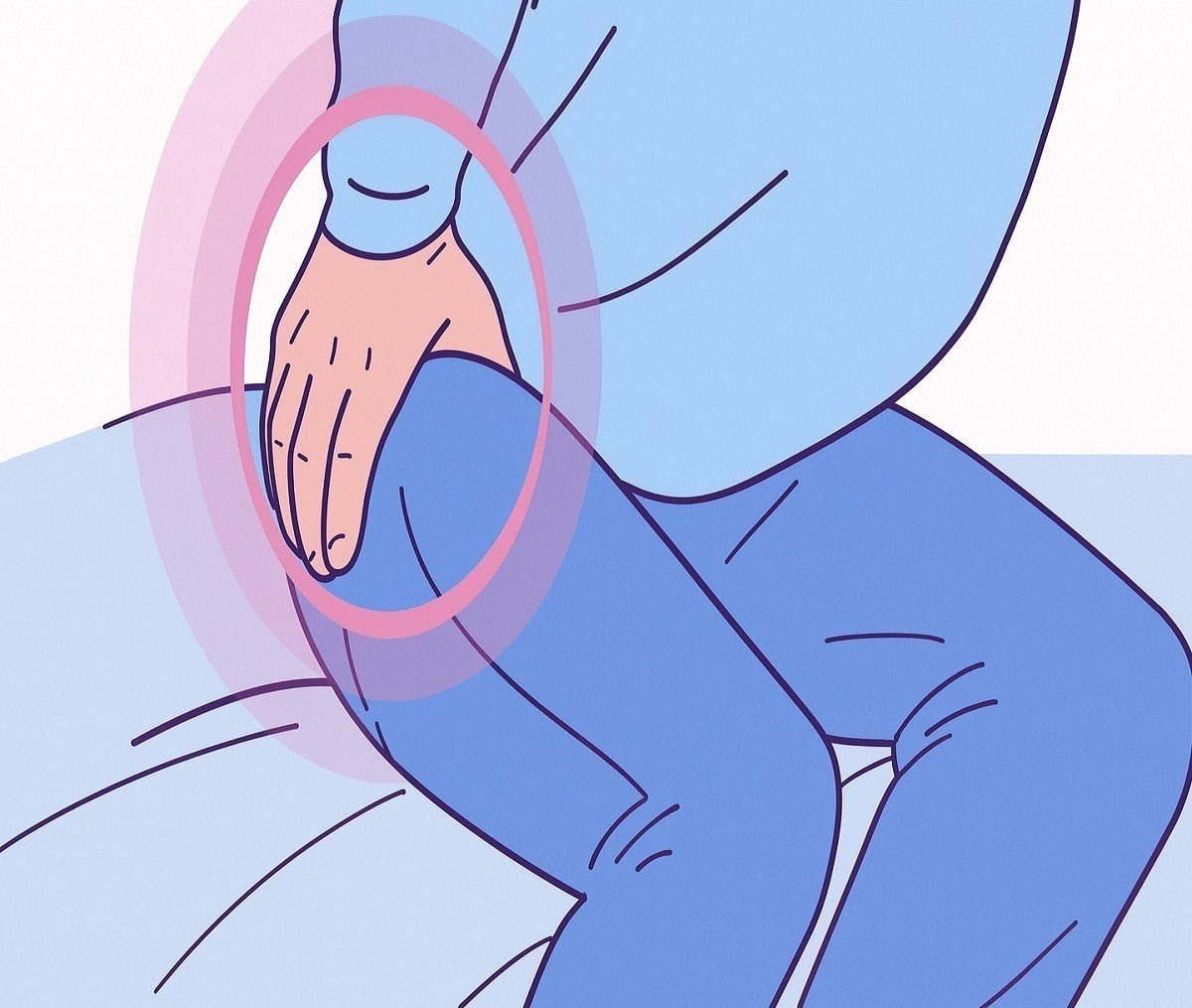
HomeHip pain: what does it mean?
Hip pain: what does it mean?
Hip pain can stem from the joint itself—or from surrounding muscles, tendons, nerves, or even referred pain from your lower back. Because the hip is a major weight-bearing joint, discomfort here can affect walking, sleeping, and daily life.
Here’s what your hip pain might be telling you:
🦴 1. Osteoarthritis (Most Common in Adults 50+)
Feels like: Deep ache in the groin, outer thigh, or buttock; worse with activity, better with rest.
Other signs: Stiffness in the morning (<30 mins), grating sensation, reduced range of motion.
Why: Cartilage wears down over time—common in weight-bearing joints.
💢 2. Bursitis (Trochanteric Bursitis)
Feels like: Sharp or burning pain on the outer hip, worse when lying on that side or climbing stairs.
Why: Inflammation of fluid-filled sacs (bursae) near the hip bone—often from overuse or repetitive motion.
🦵 3. Tendinitis or Muscle Strain
Feels like: Soreness in the front (hip flexors) or back (hamstrings/glutes); pain worsens with movement.
Common in: Runners, walkers, or after sudden increase in activity.
🧠 4. Referred Pain from the Lower Back (Sciatica or Spinal Stenosis)
🧠 4. Referred Pain from the Lower Back (Sciatica or Spinal Stenosis)
Feels like: Dull ache in the hip/buttock that may radiate down the leg; numbness or tingling.
Clue: Pain doesn’t change much with hip movement—but worsens with sitting or bending forward.
🩻 5. Labral Tear (Cartilage Ring in Hip Socket)
Feels like: Clicking, locking, or catching deep in the groin; sharp pain with twisting or pivoting.
Common in: Athletes or people with hip impingement (FAI).
⚠️ 6. Less Common but Serious Causes
Fracture: Sudden, severe pain after a fall (especially in older adults with osteoporosis).
Infection (septic arthritis): Fever, redness, warmth, inability to bear weight—medical emergency.
Avascular necrosis: Loss of blood supply to hip bone—causes deep, progressive pain.
🚩 When to See a Doctor Promptly
Seek medical attention if you have:
Hip pain after a fall or injury
Inability to walk or bear weight
Fever, chills, or red/swollen hip
Pain that wakes you up at night
Numbness, weakness, or loss of bladder control (could indicate cauda equina—emergency)
💡 Gentle Relief While You Wait
Rest from aggravating activities
Ice (15 mins, 3x/day) for acute pain/swelling
OTC pain relievers: Acetaminophen or NSAIDs (if safe for you)
Gentle stretches: Knee-to-chest, piriformis stretch (if no sharp pain)
❤️ Final Thought
Hip pain isn’t just “getting old”—it’s your body asking for attention.
“Listen early, move wisely, and protect your foundation.”
Many causes improve with physical therapy, lifestyle changes, or simple interventions—so don’t ignore it. Your mobility depends on it. 💛
