
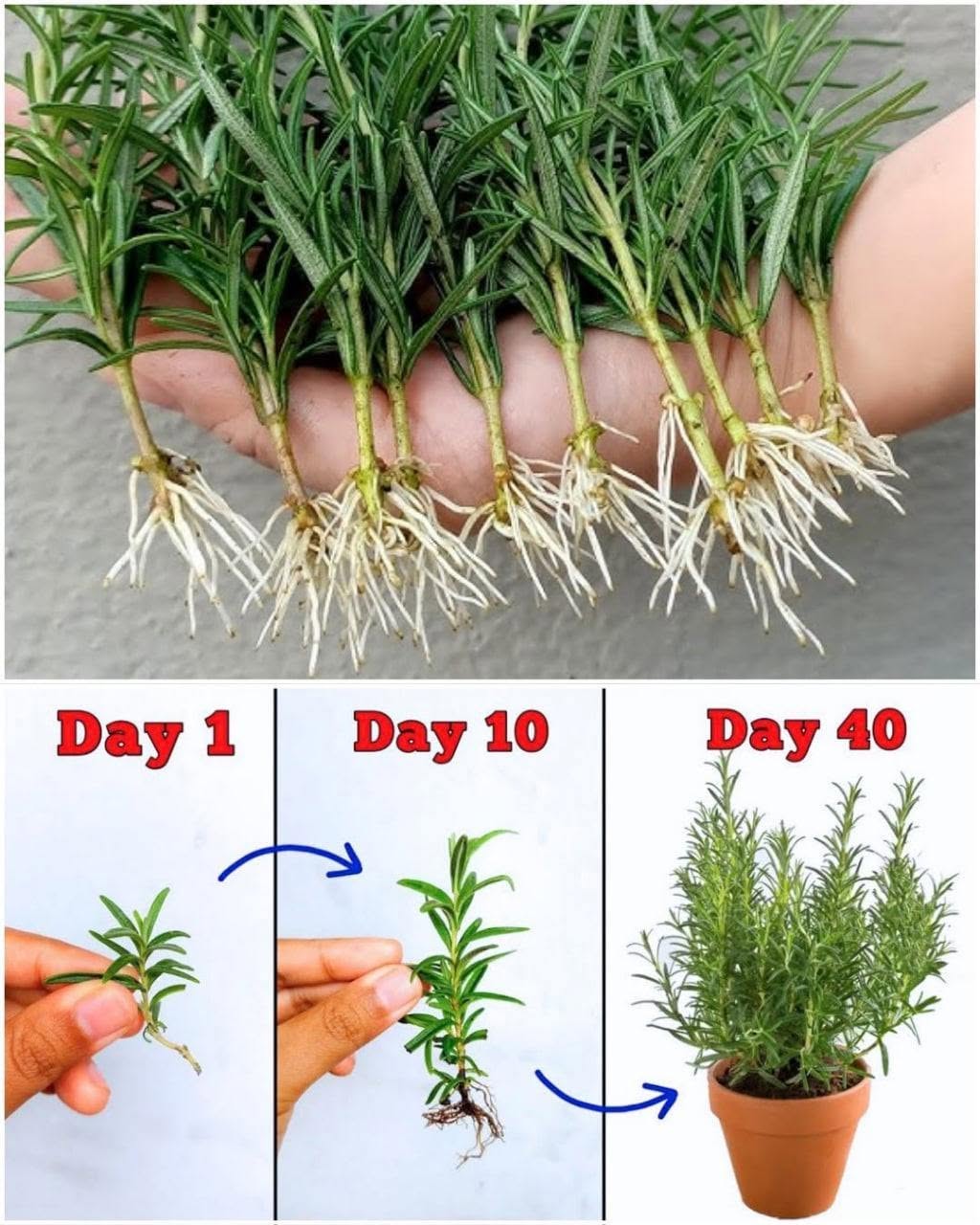
Rosemary is a versatile and aromatic herb that adds wonderful flavor to many dishes. Growing rosemary at home is both convenient and rewarding, ensuring you always have fresh sprigs available when needed. One of the easiest ways to propagate rosemary is from cuttings. This guide explains how to grow rosemary cuttings in water and successfully transplant them into pots for a continuous supply of this fragrant herb.
Materials You’ll Need
A healthy rosemary plant
Clean pruning shears or scissors
A glass or vase
Distilled or filtered water
Rooting hormone (optional)
Small pots with drainage holes
Well-draining potting mix
Plastic bags or plastic wrap
Rubber bands or twine
Sunlight or grow lights
Step 1: Gather Rosemary Cuttings
Choose a healthy, mature rosemary plant. Select stems that are free from pests and diseases, and make your cut just below a leaf node. Each cutting should be approximately 4–6 inches (10–15 cm) long.
Step 2: Prepare the Cuttings
Remove the leaves from the lower 2–3 inches of each cutting, leaving only a few leaves at the top. This helps reduce moisture loss and encourages root development.
Step 3: Apply Rooting Hormone (Optional)
Although not essential, rooting hormone can improve the success rate of propagation. Dip the cut end of each cutting into a powdered or gel rooting hormone and gently shake off any excess.
Step 4: Place the Cuttings in Water
Step 4: Place the Cuttings in Water
Fill a glass or vase with 2–3 inches of distilled or filtered water. Place the rosemary cuttings in the container, ensuring that the cut ends are submerged. Change the water every few days to keep it fresh and prevent bacterial growth.
Step 5: Maintain Humidity
Create a humid environment by covering the glass or vase with a plastic bag or plastic wrap. Secure it with a rubber band or twine. This helps prevent moisture loss and encourages root formation.
Step 6: Provide Adequate Light
Place the container in a location that receives bright, indirect sunlight. If natural light is insufficient, use grow lights. Avoid exposing the cuttings to intense, direct sunlight, as it may cause them to dry out.
Step 7: Monitor and Wait
Check the water level regularly and ensure that the cut ends remain submerged. Roots should begin to develop within 2–6 weeks. Once the roots are about 2–3 inches (5–7 cm) long, the cuttings are ready for transplanting.
Step 8: Transplant into Pots
Step 8: Transplant into Pots
Fill small pots with drainage holes using a well-draining potting mix. Carefully remove the cuttings from the water, taking care not to damage the delicate roots. Plant each cutting about 1–2 inches deep in the soil.
Step 9: Water and Care for the Plants
Water the newly transplanted cuttings thoroughly and place the pots in a sunny location. Water whenever the top inch of soil feels dry. Ensure good air circulation around the plants to help prevent disease.
Step 10: Enjoy Fresh Rosemary
With proper care, your rosemary cuttings will grow into healthy, productive plants. As they mature, you can harvest fresh rosemary whenever you need it for cooking, garnishing, or other household uses.
Conclusion
Growing rosemary from cuttings in water and transplanting them into pots is a simple and rewarding process. With a little patience and care, you can enjoy a steady supply of fresh rosemary right at home. This fragrant herb not only enhances the flavor of your favorite dishes but also adds beauty and greenery to your living space.
Happy gardening!
