
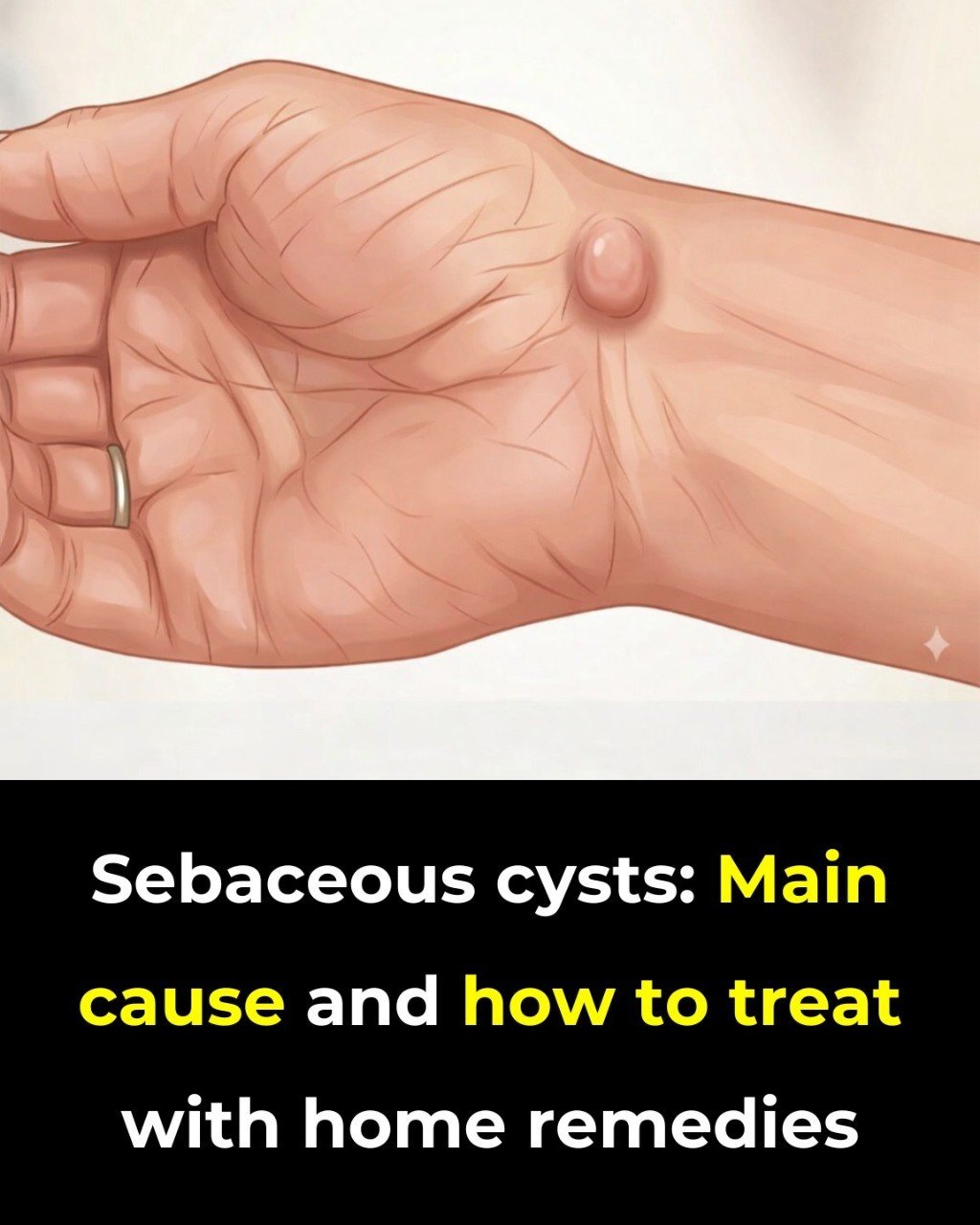
Many people use the term “sebaceous cyst” for a small, round lump under the skin, but in many cases the bump is actually an epidermoid or epidermal inclusion cyst. These cysts are usually harmless, grow slowly, and often do not need treatment unless they become painful, inflamed, infected, or bothersome.
What causes a sebaceous cyst?
These cysts can form when surface skin cells move deeper into the skin instead of shedding normally, or when there is irritation, injury, or blockage involving a hair follicle. Cleveland Clinic also notes that epidermal inclusion cysts can form after a blockage at the top of a hair follicle.
What does it usually look like?
A typical skin cyst is often a round lump beneath the skin. It may be painless and slow-growing, and many people simply notice it by touch or when it becomes more visible. NHS says skin cysts are usually harmless, while Mayo Clinic notes that epidermoid cysts are often slow-growing and painless.
Can you treat it at home?
Home care can sometimes help with comfort, but it usually does not remove the cyst completely. Mayo Clinic recommends not squeezing the cyst yourself and says a warm, moist cloth may help it drain and heal. Cleveland Clinic also says a warm compress may reduce swelling and discomfort at home.
Safe home remedies to try
The safest home approach is simple:
apply a warm compress
keep the area clean
avoid rubbing, squeezing, or cutting it
Trying to pop or remove a cyst at home can increase the risk of infection, scarring, and irritation. Cleveland Clinic specifically advises not to pop or remove it yourself, and their cyst-removal guidance says never try to pop or cut out a cyst at home.
When should you see a doctor?
You should get medical advice if the cyst becomes painful, red, swollen, infected, drains repeatedly, grows larger, interferes with daily life, or if you are not sure the lump is really a cyst. NHS says treatment may be recommended if a cyst is infected or large and painful, and also advises seeing a GP for an unexplained lump. Cleveland Clinic says any new lump should be checked so a clinician can confirm what it is.
Medical treatment options
If a cyst is causing symptoms, a healthcare professional may recommend treatment such as monitoring it, reducing inflammation, draining it, or removing it. Mayo Clinic says cysts may be removed if they are bothersome, painful, broken open, or infected.
Final takeaway
Most so-called sebaceous cysts are not dangerous, and many can simply be watched. The safest “home remedy” is usually a warm compress and leaving it alone. Do not try to squeeze or cut it yourself. If it changes, hurts, or you are unsure what the lump is, get it checked by a healthcare professional
