
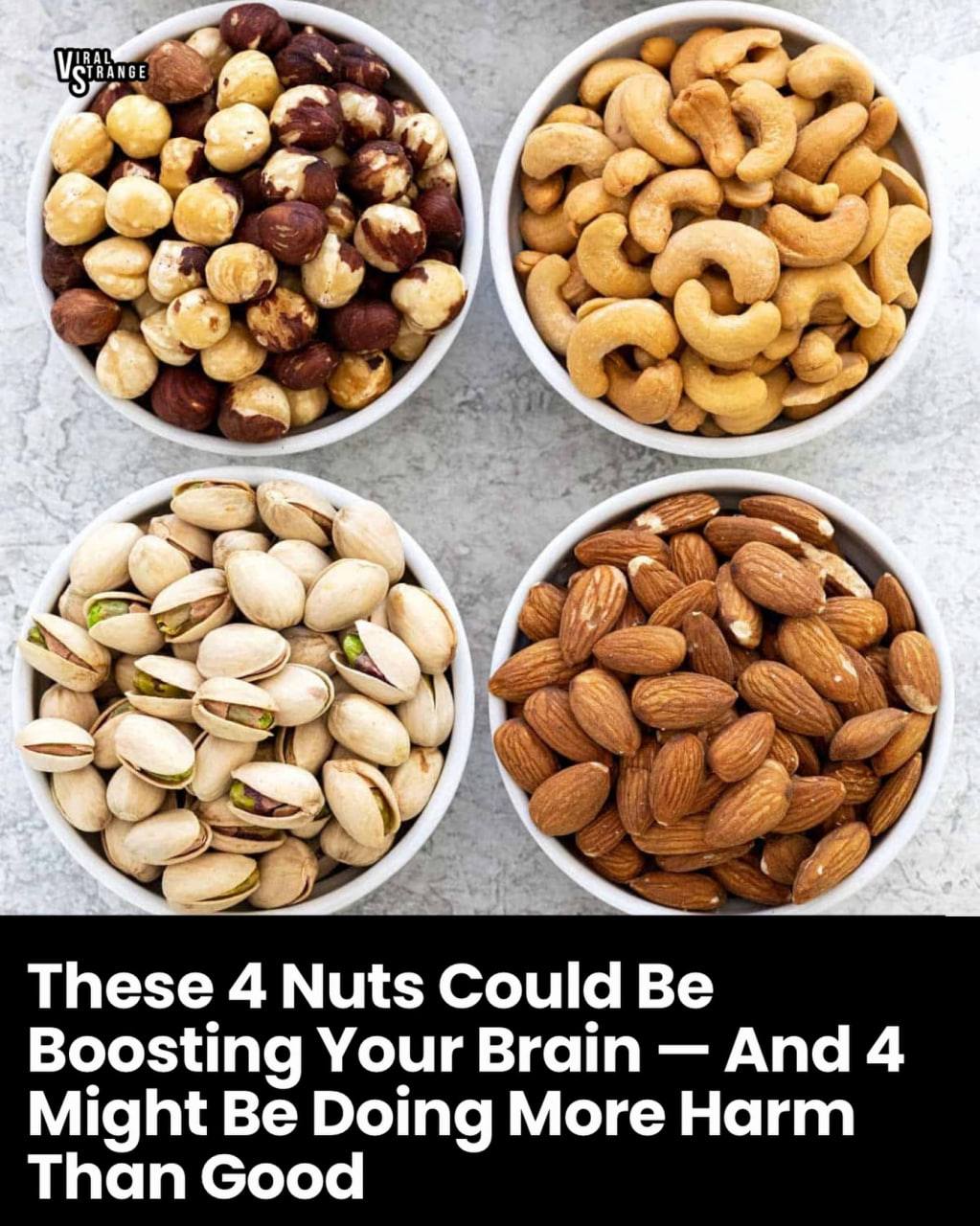
Which Nuts Help — and Which Ones Deserve Caution
Nuts have earned a strong reputation as one of nature’s healthiest foods. Rich in healthy fats, antioxidants, vitamins, and minerals, they are often associated with better memory, sharper thinking, and healthier ageing.
But there’s an important nuance many people miss: not all nuts support brain health equally.
Some nuts may help protect cognitive function and reduce inflammation, while others can become less healthy — or even harmful — depending on how they are processed, stored, or consumed. In many cases, the difference comes down to freshness, preparation, and portion size.
Why Nuts Support Brain Health
Nuts provide a unique combination of nutrients that benefit both the brain and cardiovascular system. Their healthy fats, fibre, antioxidants, and anti-inflammatory compounds help support blood flow and protect brain cells from oxidative stress.
Research suggests that people who eat nuts regularly may experience slower cognitive decline as they age, and some studies associate moderate nut intake with a lower risk of dementia.
Experts believe these benefits may come from several effects:
Improved circulation to the brain
Reduced inflammation
Better cholesterol balance
Protection against oxidative damage
Support for healthy blood vessels
However, these advantages are most strongly linked to plain, minimally processed nuts eaten in moderation.
When Healthy Nuts Become Less Healthy
Problems often arise when nuts are heavily processed.
Many commercial nut snacks are:
Deep-fried in unhealthy oils
Loaded with excess salt
Coated with sugar or artificial flavourings
Poorly stored, increasing the risk of mould contamination
These factors may increase inflammation, damage blood vessels, and reduce many of the natural health benefits nuts normally provide.
Peanuts: A Hidden Concern
Although peanuts are technically legumes rather than tree nuts, they are commonly discussed alongside nuts because they are inexpensive and high in protein.
The primary concern with peanuts is not the peanut itself, but the potential for aflatoxin contamination.
Aflatoxins are toxic compounds produced by certain moulds that can grow on peanuts stored in warm, humid conditions. Long-term exposure has been linked to serious health problems, including liver damage, and researchers continue to study possible neurological effects.
To reduce risk:
Buy peanuts from reputable brands
Avoid peanuts with a musty or bitter smell
Store them in cool, dry conditions
Avoid old or poorly stored bulk peanuts
Freshness matters more than many people realize.
Salted Pistachios: Healthy in Moderation
Pistachios are naturally rich in healthy fats, fibre, potassium, and antioxidants. Some studies even suggest they may support healthy blood pressure levels.
The issue comes when pistachios are heavily salted or coated in processed flavourings.
Too much sodium may contribute to high blood pressure over time, potentially affecting the small blood vessels that nourish the brain. Highly processed snack foods are also associated with increased inflammation and faster cognitive decline.
A healthier option is to choose plain or lightly salted pistachios and enjoy them in moderate portions.
Fried Cashew Mixes and Oxidized Oils
Cashews can be part of a brain-friendly diet when eaten raw or dry roasted. They contain healthy fats and important minerals that support overall cellular function.
However, fried snack mixes are less beneficial.
Repeatedly heated frying oils can produce oxidized compounds associated with inflammation and oxidative stress — two factors strongly linked to cognitive decline and neurodegenerative disease.
Many processed nut mixes also contain:
Excess sugar
Refined starches
Artificial flavourings
High sodium levels
Plain or dry-roasted cashews are generally the better choice.
Brazil Nuts: Powerful but Easy to Overeat
Brazil nuts are exceptionally high in selenium, a mineral that helps protect cells from oxidative damage and supports brain function.
However, too much selenium can become harmful surprisingly quickly.
Just one Brazil nut may provide a very large percentage of the recommended daily intake. Eating too many regularly may contribute to selenium toxicity, which has been linked to:
Hair loss
Brittle nails
Nerve problems
Mood changes
Digestive issues
For most people, one or two Brazil nuts occasionally is more than enough.
Walnuts: One of the Best Choices for the Brain
Among all nuts, walnuts consistently stand out for brain health.
They are especially rich in alpha-linolenic acid (ALA), a plant-based omega-3 fatty acid associated with anti-inflammatory and cardiovascular benefits.
Walnuts also contain polyphenols and antioxidants that may help protect brain cells from oxidative stress and inflammation.
Research continues to associate regular walnut consumption with:
Better memory
Improved cognitive performance
Slower mental decline with ageing
A small daily handful added to oatmeal, salads, or smoothies can be a beneficial long-term habit.
Almonds and Hazelnuts for Memory Support
Almonds and hazelnuts are particularly rich in vitamin E, a nutrient strongly associated with brain protection and healthy ageing.
Vitamin E helps protect delicate brain cell membranes from oxidative damage and may support cognitive performance over time.
Some studies link higher vitamin E intake with:
Better memory
Improved attention
Lower risk of cognitive decline
To maximize benefits, choose unsalted and minimally processed varieties whenever possible.
Pecans and Their Antioxidant Benefits
Pecans are often overlooked, yet they are among the most antioxidant-rich nuts available.
Their combination of vitamin E, polyphenols, and healthy fats may help protect the body from free radical damage and support healthier ageing overall.
Because pecans are calorie-dense, moderation remains important. A small handful is usually enough to gain benefits without excessive calorie intake.
The Best Way to Eat Nuts for Brain Health
Current research supports moderation rather than excess.
Experts generally recommend:
About one small handful (around 30 grams) per day
Choosing plain or lightly salted nuts
Avoiding heavily processed snack mixes
Storing nuts properly in airtight containers away from heat and moisture
Some of the best choices for brain health include:
Walnuts
Almonds
Hazelnuts
Pecans
Final Thoughts
Nuts can genuinely support brain health, memory, and long-term cognitive function — but quality matters just as much as quantity.
Fresh, minimally processed nuts provide healthy fats, antioxidants, and anti-inflammatory compounds that help nourish the brain and protect the body over time. In contrast, heavily salted, fried, or poorly stored varieties may contribute to inflammation and vascular damage.
The key is balance.
A small daily handful of high-quality nuts may be one of the simplest and most sustainable habits for supporting healthier ageing and better cognitive function over the long term.
