
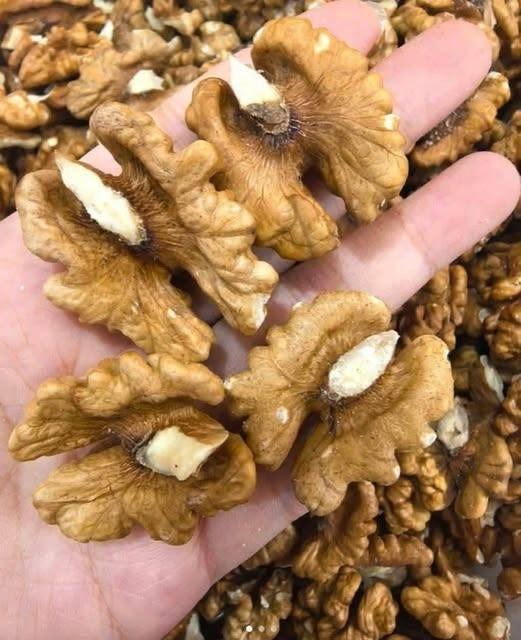
It’s one of nature’s most poetic designs: the walnut, with its wrinkled, bi-hemispheric shape, looks uncannily like the human brain. And remarkably, this resemblance isn’t just symbolic—walnuts are one of the most brain-boosting foods you can eat, packed with nutrients that support memory, mood, and long-term cognitive health.Ancient healers believed in the “Doctrine of Signatures”—the idea that plants resembling body parts could heal them. Modern science now confirms: walnuts truly are a superfood for the mind.🧠 Why Walnuts Are Exceptional for Brain Health1. Rich in Omega-3 Fatty Acids (ALA)Walnuts are the only nut with significant alpha-linolenic acid (ALA), a plant-based omega-3 fat.Omega-3s build brain cell membranes, reduce inflammation, and may lower risk of cognitive decline.Just 1 ounce (7 whole walnuts) provides 2.5g of ALA—90% of the daily recommended intake.2. Packed with AntioxidantsWalnuts contain polyphenols and vitamin E, which protect brain cells from oxidative stress—a key factor in aging and neurodegenerative diseases like Alzheimer’s.They rank highest among nuts for antioxidant content.3. Supports Gut-Brain ConnectionEmerging research shows walnuts promote healthy gut bacteria, which communicate directly with the brain via the gut-brain axis, influencing mood and mental clarity.4. May Improve Memory & Processing Speed
Studies show older adults who eat walnuts regularly perform better on cognitive tests.
In younger adults, walnut consumption is linked to improved inferential reasoning.
❤️ Beyond the Brain: Whole-Body Benefits
Heart health: Lowers LDL (“bad”) cholesterol and blood pressure.
Anti-inflammatory: Reduces markers of chronic inflammation.
Blood sugar control: May improve insulin sensitivity.
✅ How to Enjoy Walnuts Daily
Handful a day: 1 oz (about 7 halves) is the ideal serving.
Add to:
Oatmeal, yogurt, or smoothies
Salads, grain bowls, or roasted vegetables
Homemade breads, muffins, or energy balls
Toast lightly to enhance flavor (but avoid high heat to preserve fats).
💡 Storage tip: Keep walnuts in the fridge or freezer—they’re prone to rancidity due to high oil content.
⚠️ A Note on Allergies & Moderation
Walnuts are a common allergen—avoid if sensitive.
While nutritious, they’re calorie-dense—stick to a small handful daily unless advised otherwise.
❤️ The Bottom Line
Nature gave us a clue—and science confirmed it. The walnut’s brain-like shape is more than a curiosity; it’s an invitation to nourish your mind with one of the most potent plant foods on Earth.
“Eat the food that looks like your brain—and your brain will thank you for decades to come.” 🌰✨
Longevity: Regular nut eaters have lower all-cause mortality.
