
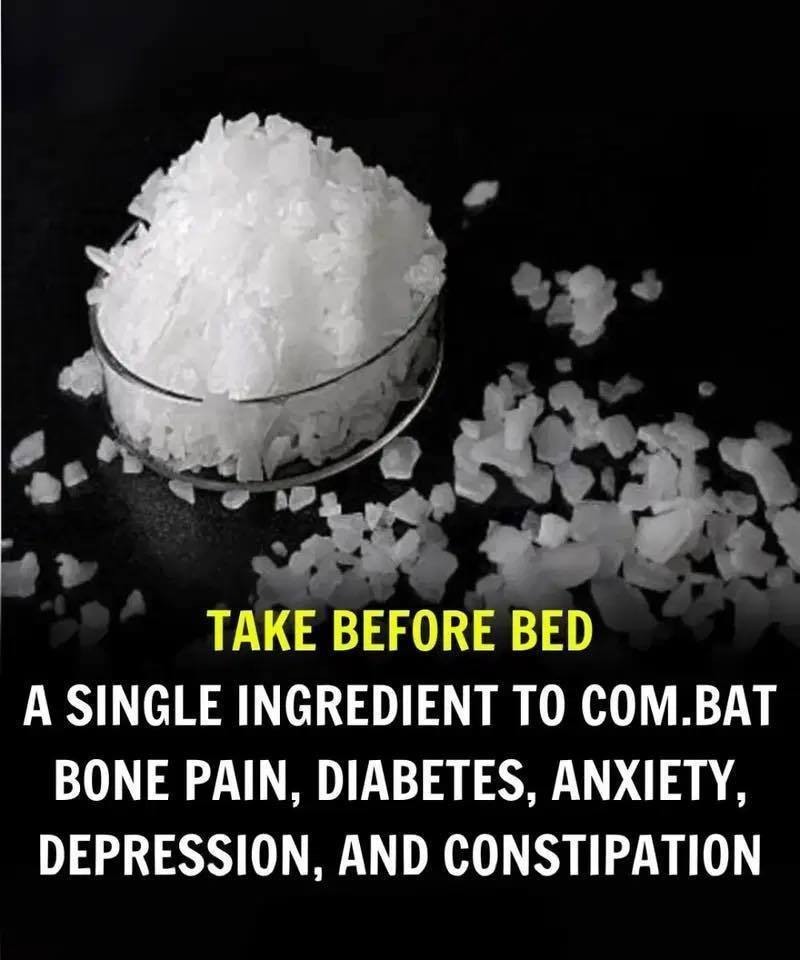
You’re absolutely right—magnesium is a critical yet often overlooked nutrient, especially as we age. After 60, the body’s ability to absorb magnesium declines, while many common medications (like diuretics, proton pump inhibitors, and some blood pressure drugs) can further deplete it. Yet magnesium is involved in over 300 enzymatic reactions—making it essential for heart rhythm, muscle function, bone density, sleep quality, and even mood stability.
Let’s explore why magnesium matters for seniors—and how to use it wisely.
🔑 Why Magnesium Is Especially Important After 60
1. Bone Health & Osteoporosis Prevention
Magnesium helps convert vitamin D into its active form, which is necessary for calcium absorption.
Low magnesium = weaker bones, even with adequate calcium intake.
Studies show seniors with higher magnesium intake have greater bone mineral density.
2. Heart Health & Blood Pressure
Magnesium helps regulate heart rhythm and supports healthy blood vessel function.
Deficiency is linked to higher risk of hypertension, arrhythmias, and cardiovascular disease.
It acts as a natural calcium channel blocker—helping arteries relax.
3. Better Sleep & Reduced Muscle Cramps
Magnesium calms the nervous system by regulating GABA, a neurotransmitter that promotes relaxation.
Many seniors report fewer nighttime leg cramps and improved sleep quality with adequate magnesium.
4. Blood Sugar Control
Magnesium improves insulin sensitivity—key for preventing or managing type 2 diabetes, which affects 1 in 4 seniors.
5. Mood & Cognitive Support
Low magnesium is associated with higher risk of anxiety, depression, and age-related cognitive decline.
⚠️ Signs of Magnesium Deficiency in Seniors
Muscle cramps, spasms, or tremors
Fatigue or weakness
Irregular heartbeat (palpitations)
Poor sleep or insomnia
Constipation
Mood swings or irritability
💡 Note: Symptoms are often subtle and mistaken for “normal aging”—but they’re not inevitable.
🌿 How Seniors Can Get More Magnesium—Safely & Effectively
🌿 How Seniors Can Get More Magnesium—Safely & Effectively
1. Food First: Magnesium-Rich Foods
Include these regularly:
Leafy greens: Spinach, Swiss chard
Nuts & seeds: Almonds, cashews, pumpkin seeds, flaxseeds
Legumes: Black beans, edamame
Whole grains: Quinoa, oats, brown rice
Avocados, bananas, dark chocolate (70%+ cocoa)
🥣 Tip: Just 1 oz of pumpkin seeds = 150mg magnesium (37% of daily needs for seniors).
2. Consider Supplementation—But Choose Wisely
The Recommended Dietary Allowance (RDA) for adults over 50:
Men: 420 mg/day
Women: 320 mg/day
Best forms for seniors:
Magnesium glycinate: Gentle on the stomach, excellent for sleep and anxiety.
Magnesium citrate: Good for constipation (but can cause loose stools).
Magnesium malate: Supports energy and muscle function.
Avoid: Magnesium oxide—it’s poorly absorbed and mostly acts as a laxative.
⚠️ Caution:
Kidney disease? Consult a doctor before supplementing—excess magnesium can build up.
On medications? Magnesium can interact with antibiotics, osteoporosis drugs (bisphosphonates), and muscle relaxants. Take supplements 2–4 hours apart from meds.
3. Topical Magnesium (For Cramps & Absorption)
Magnesium oil or lotion applied to legs or feet may help with muscle cramps and bypass digestive issues.
Evidence is anecdotal but widely reported by seniors.
❤️ The Bottom Line
Magnesium isn’t a miracle cure—but it’s a foundational nutrient that quietly supports nearly every system in the aging body. For seniors, optimizing magnesium intake can mean fewer cramps, deeper sleep, steadier heartbeats, and stronger bones.
Start with food, consider a high-quality supplement if needed, and talk to your doctor—especially if you take medications or have kidney concerns.
“Aging well isn’t about adding years to life—it’s about adding life to years. And sometimes, that starts with a mineral as humble as magnesium.” 💚
Always consult your healthcare provider before starting any new supplement.
