
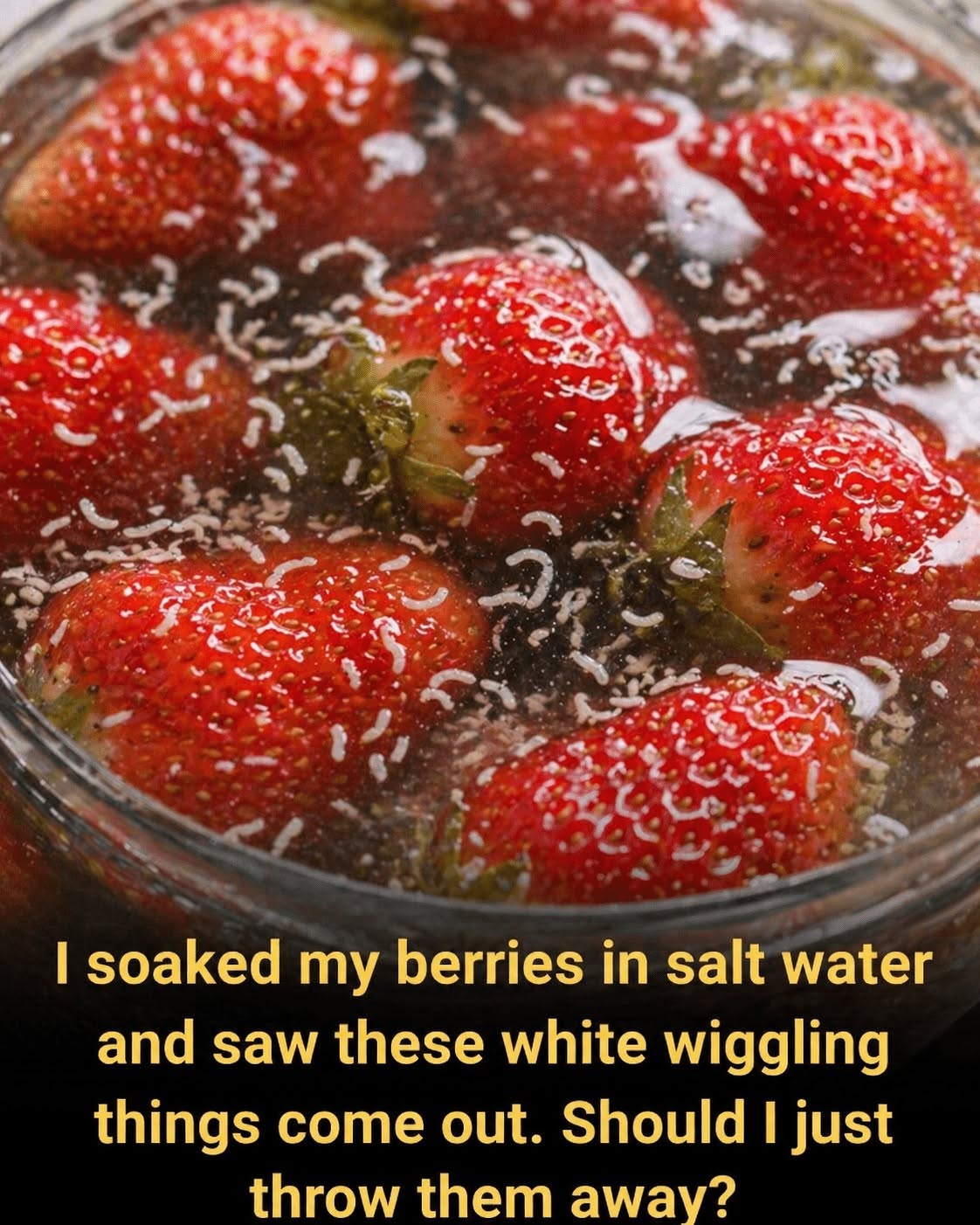
Picture this: you’re excitedly biting into a sweet, juicy strawberry only to discover tiny white worms in strawberries squirming inside. That sudden wave of disgust can instantly kill your appetite and make you second-guess every berry you’ve ever eaten. It’s frustrating, wasteful, and leaves many people feeling uneasy about feeding fresh fruit to their families, especially kids who adore strawberries. But there’s no need to panic or swear off this delicious superfood forever. In this guide, you’ll uncover exactly why tiny white worms in strawberries appear and the straightforward steps you can take right now to enjoy them with confidence.
🐛 What Exactly Are These Tiny White Worms in Strawberries?
Those tiny white worms in strawberries are actually the larvae—or maggots—of the spotted wing drosophila, a small invasive fruit fly. Unlike ordinary fruit flies that prefer overripe produce, this species targets perfectly ripe, undamaged strawberries. The female fly uses a special serrated organ to pierce the skin and lay eggs directly inside the fruit. Once the eggs hatch, the tiny white worms in strawberries begin feeding on the soft flesh, which explains why they seem to appear out of nowhere. It’s a common sight in home gardens and store-bought berries alike, and that hidden presence can trigger real anxiety when you’re trying to serve fresh, healthy snacks.
But here’s the part that surprises most people.
Why Do Tiny White Worms Keep Appearing in Strawberries?
Tiny white worms in strawberries thrive because the spotted wing drosophila is highly adaptable and loves soft-skinned fruits like strawberries. The flies are drawn to ripening berries in late summer and fall when conditions are just right for egg-laying. Warm weather, humid environments, and even organic growing practices can make strawberries more vulnerable since fewer chemical controls are used. Finding tiny white worms in strawberries often leads to wasted money, spoiled batches, and that nagging worry about food safety every time you reach for a pint at the market. The good news? Understanding this pest helps you stay one step ahead without giving up strawberries entirely.
The truth is, once you know the cause of tiny white worms in strawberries, simple habits make a huge difference.
Are Tiny White Worms in Strawberries Harmful?
While the sight of tiny white worms in strawberries can feel alarming, experts from university extension programs like Cornell and Ohio State confirm they pose no real health risk if accidentally eaten. These larvae are simply insect maggots that don’t carry diseases or parasites harmful to humans. Many people worry unnecessarily about contamination or illness, which only adds to the stress around fresh produce. The tiny white worms in strawberries are essentially harmless extra protein, but it’s completely understandable to want them gone before serving fruit to loved ones. That relief alone makes proper handling worth the small effort.
Here’s where things get practical.
How to Check for and Remove Tiny White Worms from Strawberries
How to Check for and Remove Tiny White Worms from Strawberries
Discovering tiny white worms in strawberries doesn’t mean you have to throw everything away. A simple salt-water soak is one of the most effective tricks recommended by food safety experts. It draws the larvae out without damaging the fruit’s flavor or texture. Here’s exactly how to do it step by step:
Fill a large bowl with 1 cup of warm water and 1 tablespoon of salt.
Gently add your strawberries and let them soak for 10–15 minutes.
Watch as any tiny white worms in strawberries float to the surface.
Rinse the berries thoroughly under cool running water.
Pat dry and enjoy—they’re now ready for snacks, smoothies, or desserts.
This method works because the salt solution irritates the larvae, causing them to exit the fruit. Many people report seeing dozens of tiny white worms in strawberries emerge, turning a potential disappointment into peace of mind.
But that’s not the only way to handle tiny white worms in strawberries.
You can also try a quick vinegar rinse for extra cleaning power against surface debris while still addressing the issue of tiny white worms in strawberries. Mix 1 part white vinegar to 3 parts water, soak for 5 minutes, then rinse well. Both techniques help reduce the gross-out factor that comes with finding tiny white worms in strawberries and keep your fruit tasting fresh.
Practical Prevention Tips to Avoid Tiny White Worms in Strawberries
Prevention is your best friend when it comes to tiny white worms in strawberries. Start by buying the freshest berries possible from trusted sources and inspect them closely for soft spots or tiny entry holes before purchasing. Storing strawberries properly in the refrigerator right away slows down any potential activity from tiny white worms in strawberries. For home gardeners, frequent harvesting and removing fallen fruit breaks the life cycle of the pest responsible for tiny white worms in strawberries. These small habits prevent the frustration and waste that tiny white worms in strawberries can cause.
Here’s a quick comparison of cleaning methods that help manage tiny white worms in strawberries:
Salt-water soak: Best for drawing out larvae (10–15 minutes)
Vinegar rinse: Great for general cleaning and mold prevention (5 minutes)
Plain water rinse: Basic but less effective against hidden tiny white worms in strawberries
Choosing the right method for tiny white worms in strawberries saves time and reduces worry every time you bring home fresh berries.
Actionable Steps You Can Take Today for Tiny White Worms in Strawberries
Ready to tackle tiny white worms in strawberries once and for all? Follow these easy daily habits. First, always rinse berries under cool water before storing. Second, perform the salt soak test on any batch that looks extra juicy or soft. Third, use berries within a few days of purchase to limit any chance of tiny white worms in strawberries developing further. These simple actions turn the fear of tiny white worms in strawberries into confident, stress-free snacking.
The best part? You don’t have to sacrifice flavor or nutrition.
Enjoying Strawberries Without the Worry of Tiny White Worms
Enjoying Strawberries Without the Worry of Tiny White Worms
Once you understand and manage tiny white worms in strawberries, you can go back to loving this nutrient-packed fruit. Whether blended into smoothies, tossed into salads, or eaten straight from the bowl, strawberries deserve a place in your healthy routine. The tiny white worms in strawberries are just a natural part of outdoor-grown produce, and with the right knowledge they no longer have to ruin your day or your appetite.
In the end, tiny white worms in strawberries are more of a nuisance than a danger. By staying informed and using these practical tips, you protect your family’s enjoyment of fresh fruit without unnecessary stress.
FAQ About Tiny White Worms in Strawberries
Can you still eat strawberries if you find tiny white worms in strawberries?
Yes—experts confirm the tiny white worms in strawberries are harmless if consumed, though most people prefer to remove them for peace of mind.
How do I know if my strawberries have tiny white worms in strawberries before buying?
Look for overly soft spots or small puncture marks. A quick salt soak at home is the best way to confirm and handle tiny white worms in strawberries.
What’s the fastest way to remove tiny white worms in strawberries?
The salt-water soak method takes just 15 minutes and effectively pulls out tiny white worms in strawberries so you can enjoy clean berries right away.
This article is for informational purposes only and does not replace professional food safety advice. Always follow proper hygiene practices when handling fresh produce.
